The short answer
A garden room is far cheaper and faster than a basement, but a basement adds integrated living space and usually more lasting value. A garden room, a standalone insulated studio in the garden, often costs around £10,000–£30,000+ and can be built in days or weeks, frequently under permitted development. It suits a home office, gym or hobby space but is separate from the house and adds limited resale value. A basement is a much larger investment, often £1,000–£5,000+ per square metre, but creates connected, habitable floor area that can add bedrooms or living space and more value. Choose a garden room for a quick, low-cost extra room; choose a basement for permanent, integrated space on a tight plot.
A garden room and a basement solve different problems at very different price points. The sections below compare them on cost, planning, use and value so you can match the choice to your needs.
At a glance
- Garden room cost~£10,000–£30,000+
- Basement cost~£1,000–£5,000+/m²
- Fastest to buildGarden room
- Adds integrated spaceBasement
- Best for resale valueBasement, usually
Cost, speed and planning
The two options sit at opposite ends of the scale. A garden room is a self-contained, insulated structure placed in the garden, typically costing £10,000–£30,000 or more depending on size and specification, and often built in a matter of days or weeks. Many garden rooms fall within permitted development as an outbuilding, subject to size, height and use limits, which avoids a full planning application in many cases.
A basement is a far bigger undertaking, costing from around £1,000 per square metre for a simple cellar conversion to £3,000–£5,000+ for a dig-out, taking weeks to many months, and usually needing planning permission, structural design and a party-wall agreement. So on cost and speed alone, the garden room wins easily; the basement competes on what it delivers, not on how cheaply or quickly it does so.
| Factor | Garden room | Basement |
|---|---|---|
| Typical cost | £10,000–£30,000+ | £1,000–£5,000+/m² |
| Build time | Days to weeks | Weeks to months |
| Planning | Often permitted dev. | Often needs consent |
| Connected to house | No (separate) | Yes (integrated) |
| Resale value added | Limited | Often significant |
Indicative comparison for guidance. Costs vary with size, specification and the property.
Use and value differences
The biggest practical difference is integration. A garden room is separate from the house, reached across the garden, which is fine for a home office, gym, studio or hobby space, but less suited to everyday living rooms or bedrooms that need to feel part of the home. It also takes up garden, and because it is an outbuilding rather than additional house floor area, it usually adds limited resale value, valued more as a useful feature than as extra living space.
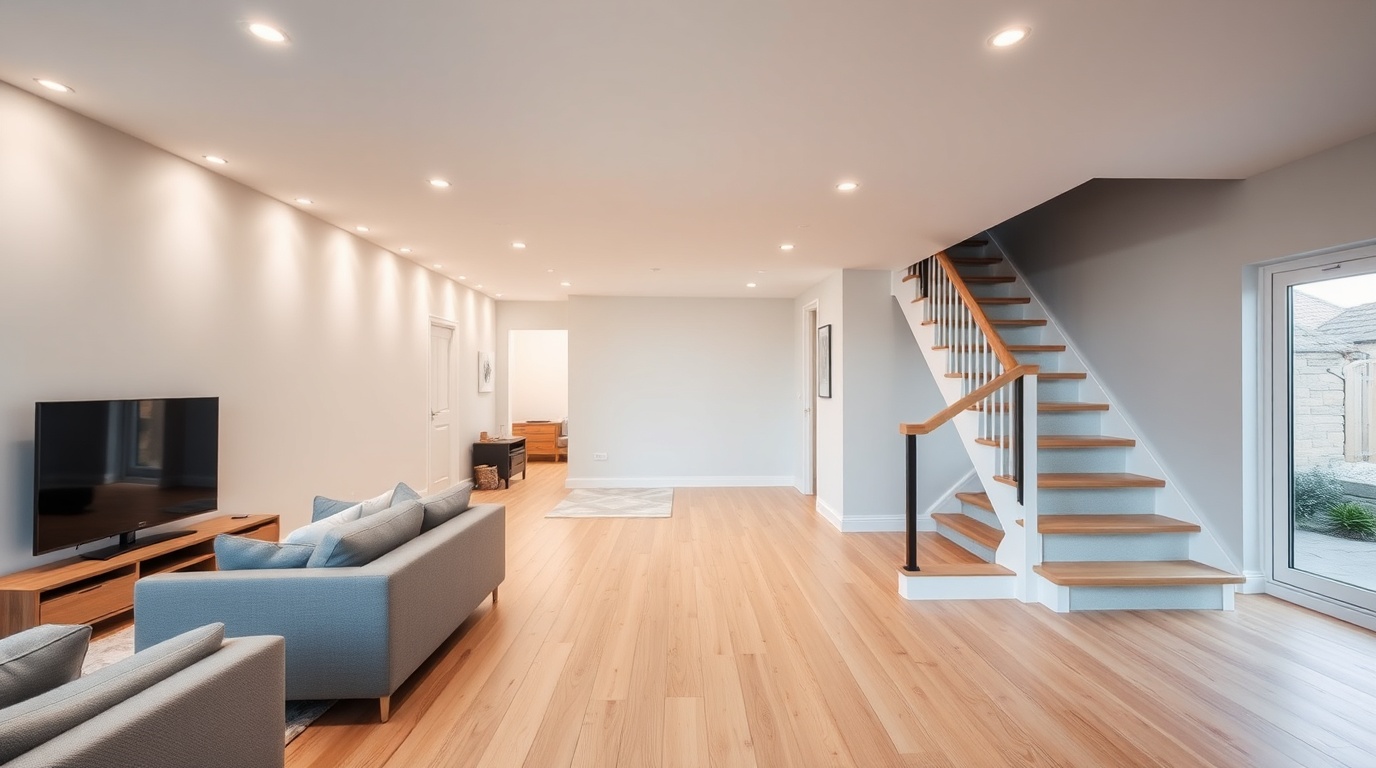
A basement, by contrast, adds habitable floor area within the house, which can become bedrooms, a family room, a kitchen-diner or an annexe, and is valued closer to the rest of the home where it is dry, light and habitable. It keeps the garden intact and adds genuine living space, which is why it typically adds more lasting value than a garden room. The trade-off is the far higher cost, longer timescale and greater disruption. In short, the garden room buys a quick, affordable extra room; the basement buys permanent, integrated space and stronger value.
How to choose
Decide by what you actually need the space for, how long you want it to last, and your budget. If you want a quick, low-cost room for working from home, exercising or a hobby, and you have garden space to give up, a garden room delivers that in weeks for a fraction of a basement's cost, often without a planning application. It is also reversible and can be taken with you in some cases, which suits a shorter-term need.
If you want permanent, integrated living space, particularly extra bedrooms or main living areas, and you either lack garden to extend into or want to keep it, the basement is the stronger choice despite the cost. It adds usable house floor area that valuers treat seriously, which a garden room does not. Consider also local prices: in high-value areas the basement's value uplift more easily justifies the spend, while a garden room's modest cost makes it a sensible add-on almost anywhere. For many households the practical answer is the garden room for a flexible extra space, and the basement only where genuine, lasting living area is the goal and the budget and plot support it.
Frequently asked questions
Is a garden room cheaper than a basement?
Yes, considerably. A garden room often costs £10,000–£30,000 or more and is built in days or weeks, while a basement runs from around £1,000 per square metre for a cellar conversion to £3,000–£5,000 or more for a dig-out.
Does a garden room add as much value as a basement?
Usually no. A garden room is a separate outbuilding and adds limited resale value, whereas a basement adds habitable floor area within the house that valuers treat as living space, typically adding more lasting value.
When is a garden room the better choice?
When you need a quick, affordable extra room for a home office, gym or studio, have garden space to use, and want minimal disruption. Many garden rooms fall under permitted development, avoiding a full planning application.
Sources & further reading
Figures on this page are typical UK ranges drawn from published sources and depend on your specific property. They are guidance, not a quotation.