The short answer
Natural light strongly affects how much value a basement adds, and for some rooms it is effectively required to count as proper living space. A basement with good daylight, from a lightwell, sunken courtyard or large rear glazing, is valued close to normal living area and reads as a desirable room. A windowless basement is usually discounted, and works better as a utility, store, gym or cinema room than as a bedroom or main living space. While building regulations do not always demand a window in every room, habitable rooms need adequate light and ventilation, and bedrooms have escape requirements that often mean a usable opening. Adding light is one of the most effective ways to lift a basement's value.
Light is one of the biggest factors in how much value a basement adds, shaping both its valuation and what it can be used for. The sections below explain why light matters, how it affects worth, and the practical ways to bring it in.
At a glance
- Well-lit basementNear full local rate
- Windowless basementDiscounted
- Habitable rooms needAdequate light & air
- Best light sourcesLightwell, courtyard, glazing
- BedroomsOften need an escape opening
Why light affects value
Buyers and valuers respond to how a space feels, and light is central to that. A basement that receives good natural light feels like a genuine room, somewhere people want to spend time, and is valued accordingly, close to the rate for above-ground space. A windowless basement feels enclosed and is mentally filed as a den, store or utility area, which buyers value far less. The same square metre therefore contributes very different amounts depending on whether it is light or dark.
Light also broadens the range of uses a basement can credibly serve. A bright basement can be a bedroom, a family living room or a kitchen-diner, all high-value uses. A dark one is limited to a gym, cinema, store or utility space, which appeal to fewer buyers and add less. Because the wanted uses are the ones that need light, bringing daylight in is often the single most value-adding decision in a conversion.
Light, habitability and regulations
Light is not only a value matter; it also bears on whether a room counts as habitable. Building regulations expect habitable rooms to have adequate ventilation, and good natural light supports the case for a room being treated as proper living accommodation rather than ancillary space. Bedrooms carry stricter rules around a means of escape in case of fire, which frequently means an openable window or a protected escape route, so a basement bedroom usually needs a genuine opening to the outside.
This is why a windowless basement is often marketed as a study, den, gym or cinema room rather than a bedroom: without a compliant escape and adequate light and air, it cannot honestly be presented as a bedroom, and a surveyor will not value it as one. Getting light in, therefore, does double duty: it lifts the value of the space and helps it qualify as the higher-value habitable rooms that buyers want.
How to bring light into a basement
Several proven methods bring daylight into a basement, and the right mix depends on the property and budget.
- Lightwell: a recessed area outside a basement window that lets daylight down and air in; a common, effective solution for front or side elevations.
- Sunken courtyard or rear lightwell: a larger excavated area, often at the back, giving generous light and sometimes access to a small outdoor space.
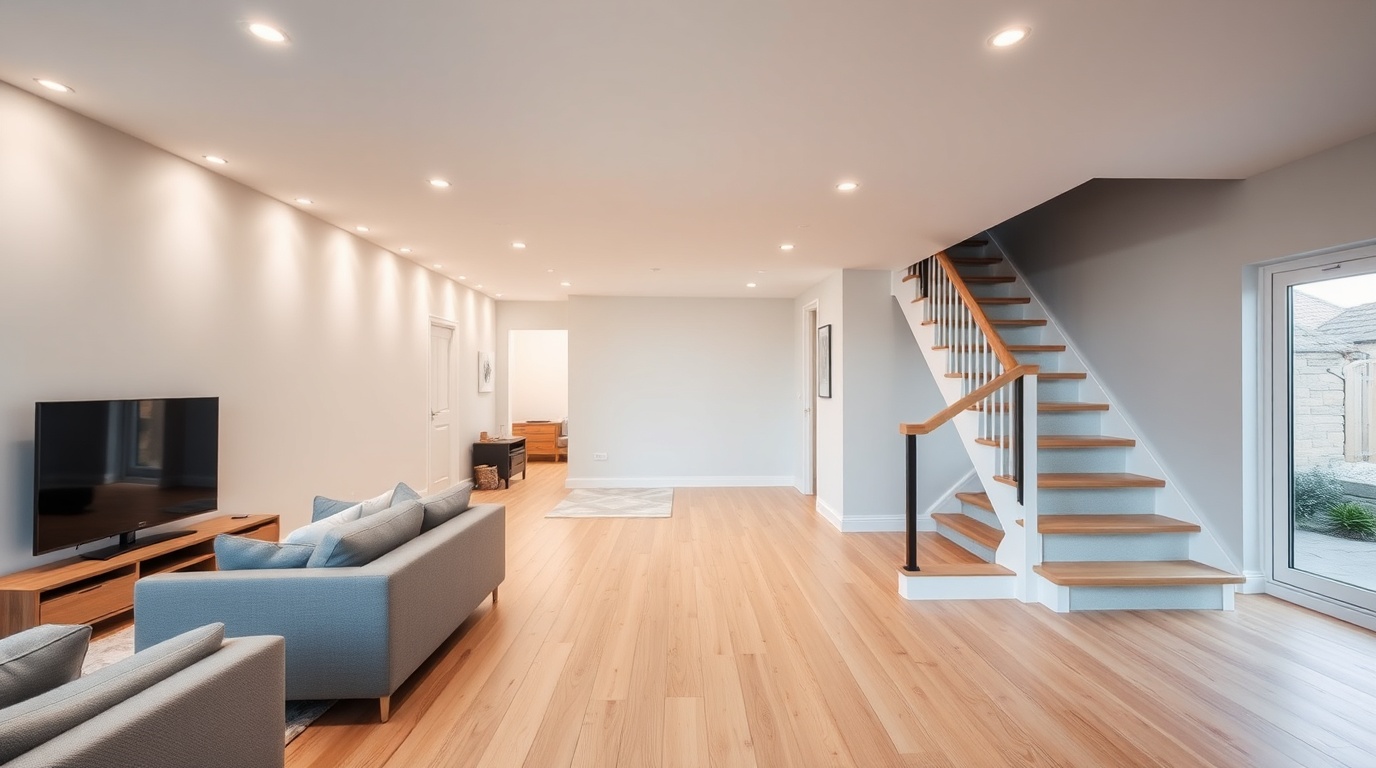
- Full-height rear glazing: where the ground falls away at the back, large doors or windows can make the basement feel like a garden-level room.
- Sun pipes and rooflights: tubular daylight devices or glazed pavement lights bring light into otherwise internal areas.
These solutions vary widely in cost, from a relatively modest lightwell to a major rear excavation, and some need planning permission, particularly where they alter the front of the house or affect a conservation area. The investment usually pays back, because daylight is what turns a discounted basement into space valued close to the rest of the home and lets it serve the high-value uses buyers want. A windowless basement still has worth as a gym, store or cinema room, but for the strongest value uplift, designing daylight into the conversion from the start is one of the most reliable moves you can make.
Frequently asked questions
Does a basement need a window to add value?
Good natural light, whether from a window, lightwell or large glazing, helps a basement be valued close to normal living space. A windowless basement is usually discounted and limited to uses like a gym, store or cinema room.
Can a basement be a bedroom without a window?
It is difficult, because bedrooms need a compliant means of escape in case of fire, which often requires an openable window or protected route, plus adequate light and ventilation. Without these it is usually marketed as a study or den.
What's the best way to add light to a basement?
Common methods include a lightwell, a sunken rear courtyard, full-height rear glazing where the ground falls away, and sun pipes or glazed pavement lights. The right choice depends on the property, budget and any planning constraints.
Sources & further reading
Figures on this page are typical UK ranges drawn from published sources and depend on your specific property. They are guidance, not a quotation.