The short answer
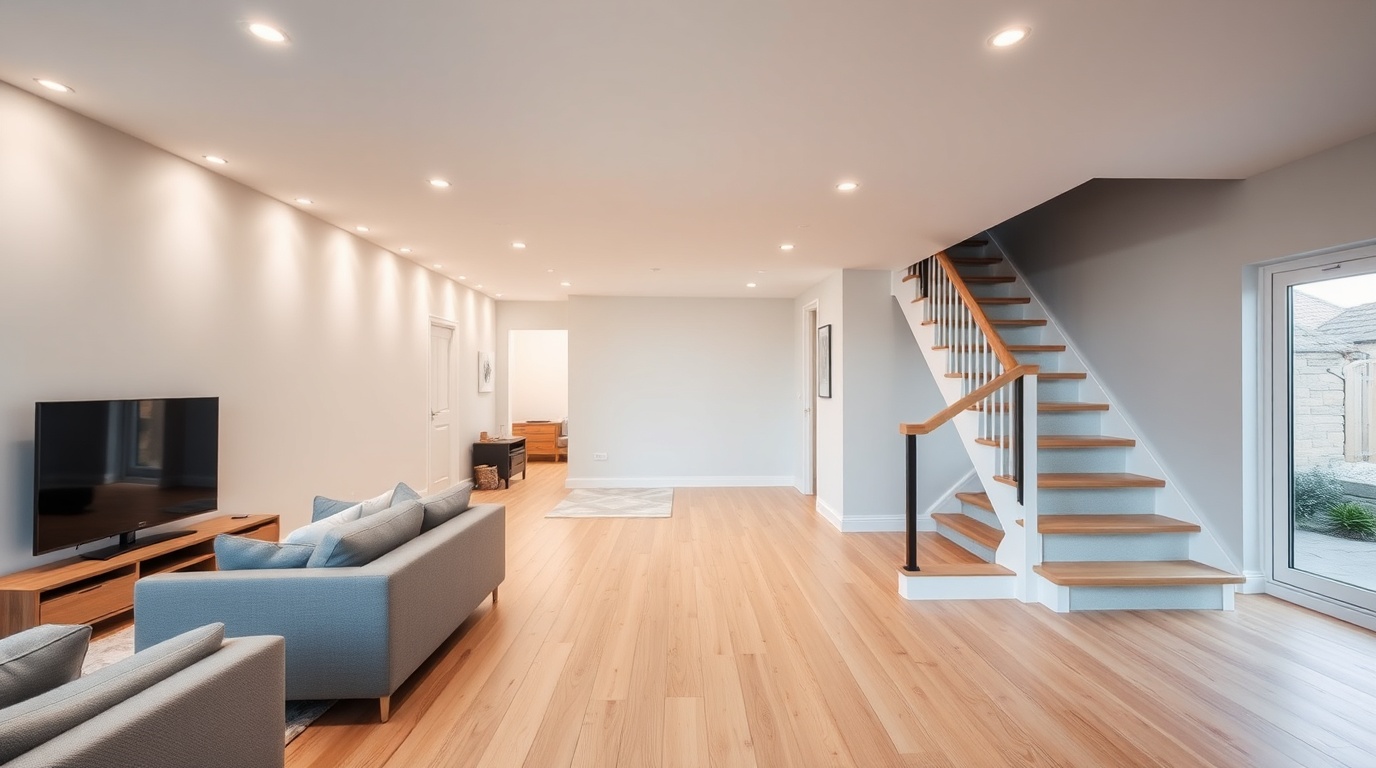
A converted basement counts towards a home's floor area and value when it is genuinely habitable, but how it is counted depends on its quality. A bright, dry, properly tanked basement with adequate ceiling height, ventilation and a means of escape is usually treated as living space and valued close to the rate for above-ground rooms. A windowless or low-ceilinged basement is often discounted by surveyors, and a damp, unconverted cellar may be excluded from the habitable floor area altogether. For listings, professional measurement standards such as RICS guidance distinguish between gross internal area and habitable space. The practical test is whether a buyer and valuer would accept the room as proper accommodation, not just storage.
Whether a basement counts as living area for valuation depends on habitability and quality, not simply whether it is below ground. The sections below explain how surveyors and listings treat it, and what makes a basement count fully.
At a glance
- Counts fully whenHabitable, dry, lit
- Discounted whenLow ceiling / no light
- May be excludedDamp, unconverted cellar
- Ceiling height aim~2.1–2.4m for living use
- Measurement standardRICS area guidance
How surveyors treat a basement
A surveyor or valuer does not automatically add a basement's area to the home's value. They assess whether the space is habitable accommodation and value it accordingly. A basement converted to building-regulations standard, dry, with proper waterproofing, adequate headroom, ventilation and natural light, is generally treated as living space and contributes close to the local rate per square metre. A space that falls short, perhaps with low ceilings, no windows or signs of damp, is discounted, sometimes substantially, because buyers value it less.
Unconverted cellars and basements used only for storage are commonly recorded separately from the habitable floor area, much as a garage or loft store would be. They may add some value as useful space, but not at the rate of a proper room.
| Basement type | Counted as living area? | Valuation treatment |
|---|---|---|
| Habitable, dry, lit room | Yes | Near full local rate |
| Low ceiling or no light | Partly | Discounted |
| Unconverted storage cellar | No | Recorded separately |
| Damp or unsafe space | No | Little or no value added |
Indicative treatment for guidance. Individual surveyors apply professional judgement to each property.
What makes a basement count fully
To be valued as living space, a basement generally needs to meet the standards expected of a habitable room. That means adequate ceiling height, commonly aimed at around 2.1–2.4m for comfortable living use, effective damp-proofing or tanking with a sound guarantee, proper ventilation, sufficient natural light where the room is used for living or sleeping, and a compliant means of escape in case of fire. Bedrooms in particular have stricter escape requirements.
Where these are met, the basement reads as a genuine room and a buyer treats it like any other floor of the house. Where they are not, the valuation reflects the shortfall: a converted but windowless room is worth less than the same area above ground, and a low-headroom space is worth less again. The closer the basement comes to the experience of a normal room, light, height, dryness and safe access, the closer its valuation comes to the full local rate.
Floor area on listings and measurement
When a home is marketed, floor area is often quoted, and how a basement appears depends on the measurement basis. Professional measurement under RICS guidance distinguishes gross internal area from the habitable space buyers actually live in, and reputable measurers note whether a basement is included and on what basis. A converted, habitable basement is typically included in the usable floor area; a storage cellar may be shown separately or excluded.
This matters because buyers and their lenders compare price against floor area. Overstating area by counting a sub-standard basement as full living space can lead to a down-valuation at survey, which derails sales. The honest approach is to describe the basement accurately, habitable room, useful storage, or unconverted cellar, and to hold the certificates that back up the claim. A genuinely habitable basement then strengthens both the floor-area figure and the price; a borderline one is best presented for what it is, so the valuation that follows is realistic and the sale holds together.
Frequently asked questions
Does a basement add to a home's square footage?
A habitable, dry, well-lit basement is normally counted in the usable floor area and valued close to the local rate. An unconverted or storage cellar is usually recorded separately and adds less value.
Does a basement count as a bedroom?
Only if it meets the standards for a habitable bedroom, including adequate ceiling height, ventilation, light and a compliant means of escape in case of fire. Without these, it may be marketed as a study or den rather than a bedroom.
Will a poor basement lower my valuation?
It will not usually lower the rest of the home's value, but a damp, low or windowless basement adds little and may be discounted or excluded from the habitable floor area, so it contributes less than its size suggests.
Sources & further reading
Figures on this page are typical UK ranges drawn from published sources and depend on your specific property. They are guidance, not a quotation.